
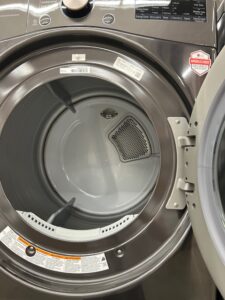
 I drove a friend to a ginormous appliance superstore in the ‘burbs last week. His wash machine died and he was getting itchy to be able to pull on a clean tee. I guess you could buy such household items online but it seems like he wanted to see which model he vibed with.
These kinds of outlets are rarely located in the city as real estate is too expensive and all the research he did online only accounted for so much in what was largely an emotional decision.
ABT boasted over 100,000 square feet of showroom space and knowledgeable salespeople were not hard to find. One jumped out when he saw my friend linger over LG and Samsung front loaders and asked, “How old is your current machine?”
He chuckled hardly two seconds after hearing my friend, Glen’s report “Around ten years old. I thought one from a good brand would last longer.”
“That’s the average these days.” The salesman said then went into options and width dimensions of popular models.
Fortunately, the washers were towards the front of the store, and I didn’t have to worry about a man with a credit card turned loose to explore a wonderland of gadgets and appliances.
And I got quiet and contemplated the meaning of cleaning your clothes.
Before the development of the modern washing machine, washing clothes was largely a communal event, (often relegated to the category of “women’s work”) and took place at the closest river.
Yes, tools like rocks, methods like agitation and beating, also cleaning agents (lye soap) were involved, but for me, the operative term was “communal activity.”
Washing clothes was a time-consuming but necessary undertaking and benefitted from sharing the experience, if not just the labor, with others.
It’s not as if we might have averted the loneliness crisis former US Surgeon General, Dr. Vivek Murthy declared epidemic in 2023, but seems if more of us spent time with others at a metaphorical river or even at a Bubbleland outlet, working on something of value to ourselves and our community, we’d be in better shape as a country.
But there’s been so many factors that have driven us to a more individualized, machine-reliant, model for cleaning our clothes.
Most everyone in a family works or participates in activities that necessitate that cleaning clothes take place at off-hours. We want to clean clothes quickly, according to very individualized schedules, and we demand that we can clean clothes at home where we can perform other activities at the same time, sometimes between different wash cycles.
This represents bottom line expectations of our modern lives and exists past the eiuww factor of finding a hair that is not yours, or even a family member’s, in your “clean” clothes.
This led me to think about the “river inside.”
First, I thought about the “something’s lost but something’s gained” conundrum.
Cleaning clothes in the river, did a lot to form or strengthen bonds with one’s tribe, whether that meant age peers, or family members, or gender bonding. Even if you were not close to your mother, a young girl could learn so much from other women who fulfilled similar responsibilities. Cleaning clothes in the river was an authentic, ”It takes a village” experience.
But isn’t it great to reduce the time in takes to perform a regular chore from sunrise to sunset to ninety minutes?
And what does having clean clothes mean to you, anyway? What about the river inside?
I always thought one of the perks of staying in a hotel was slipping into the pristine sheets of a newly made bed. The freshly laundered sheets were like getting a new skin.
Clothes are like that, too; protective but also transparent. Clothes are a personal form of expression. They represent the skin you choose to show the world.
Keeping your clothes clean and caring for them to be extend their life is a special sort of responsibility, not so much a burden as it is a privilege. Like when a child gets a pet, feeding and walking and taking responsibility for their care renews their love and sense of belonging.
It seems so important to stay mindful of the river within, to recognize the importance of relationships, even if you don’t wash clothes together. It’s also important to demonstrate self-respect, to take care of how you present yourself to the world and to consider your time and efforts sacred.
Taking care of yourself and how you show up in the world is no small thing.



Leave a comment